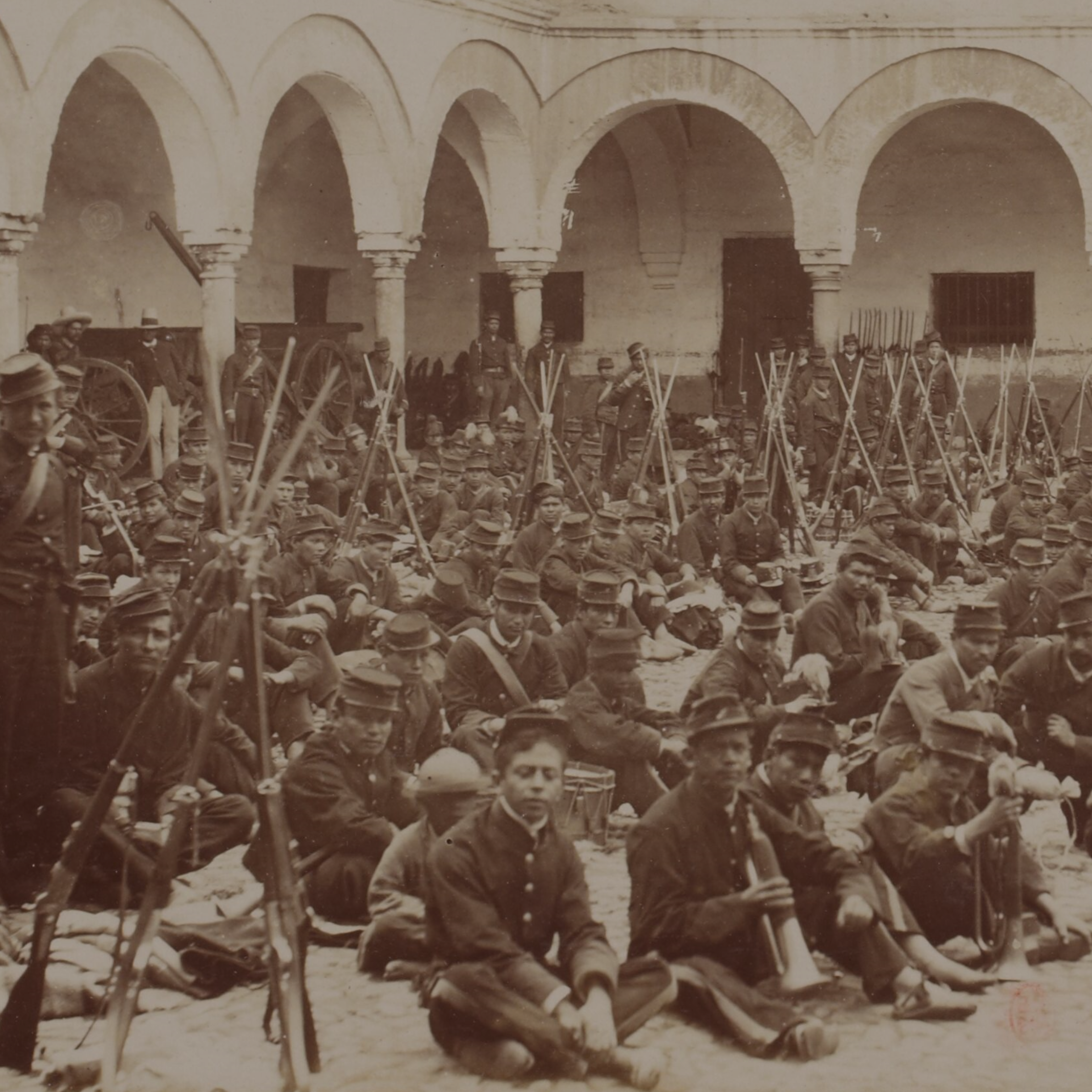
“Many years later as he faced the now occupied Bogota, General Tomas Cipriano de Mosquera was to remember that distant afternoon when his father returned with the news that the congress had enacted the fundamental law of 1819, creating the new independent country of La Gran Colombia. At that time, La Gran Colombia was a young nation of three districts, built on the ideals of continental unity, enlightenment philosophy, and democracy, which were modern ideas brought from Europe by a network of intellectuals and wealthy Criollos. The nation was so recent that many things lacked names, and in order to fulfill the promises of independence it was necessary to create a new government.” When the new nation gained its independence from Spain in 1819 as “La Gran Colombia” (modern day Colombia, Venezuela, Panama, and Ecuador), freedom came with an immediate, existential question for the libertadores (the liberators): What kind of government will this nation have? Over the following decades, that question tore the country apart. The violent clash between centralist and federalist factions hardened into ideological differences that could no longer be negotiated, as the promises of independence remained as a distant dream. The 1858 Constitution attempted a fragile compromise through a decentralized model under conservative President Mariano Ospina Rodríguez. However, it only accelerated the friction between Bogotá and the sovereign states.

The committee will start on July 18, 1861 when the tension in the civil war reached its peak. On this critical day, liberal forces led by General Tomás Cipriano de Mosquera successfully marched into Bogotá, captured the capital, and overthrew the conservative administration. As the provisional government, delegates in this committee will face the turmoil of bipartisan politics: will they help General Mosquera cement the new liberal regime, or rally a conservative counterattack to reclaim the state? Institutional order has collapsed, and the republic is in disarray. Will the nation survive? Or tear itself apart? “Because nations condemned to one hundred years of civil wars don’t have second opportunities on earth”.